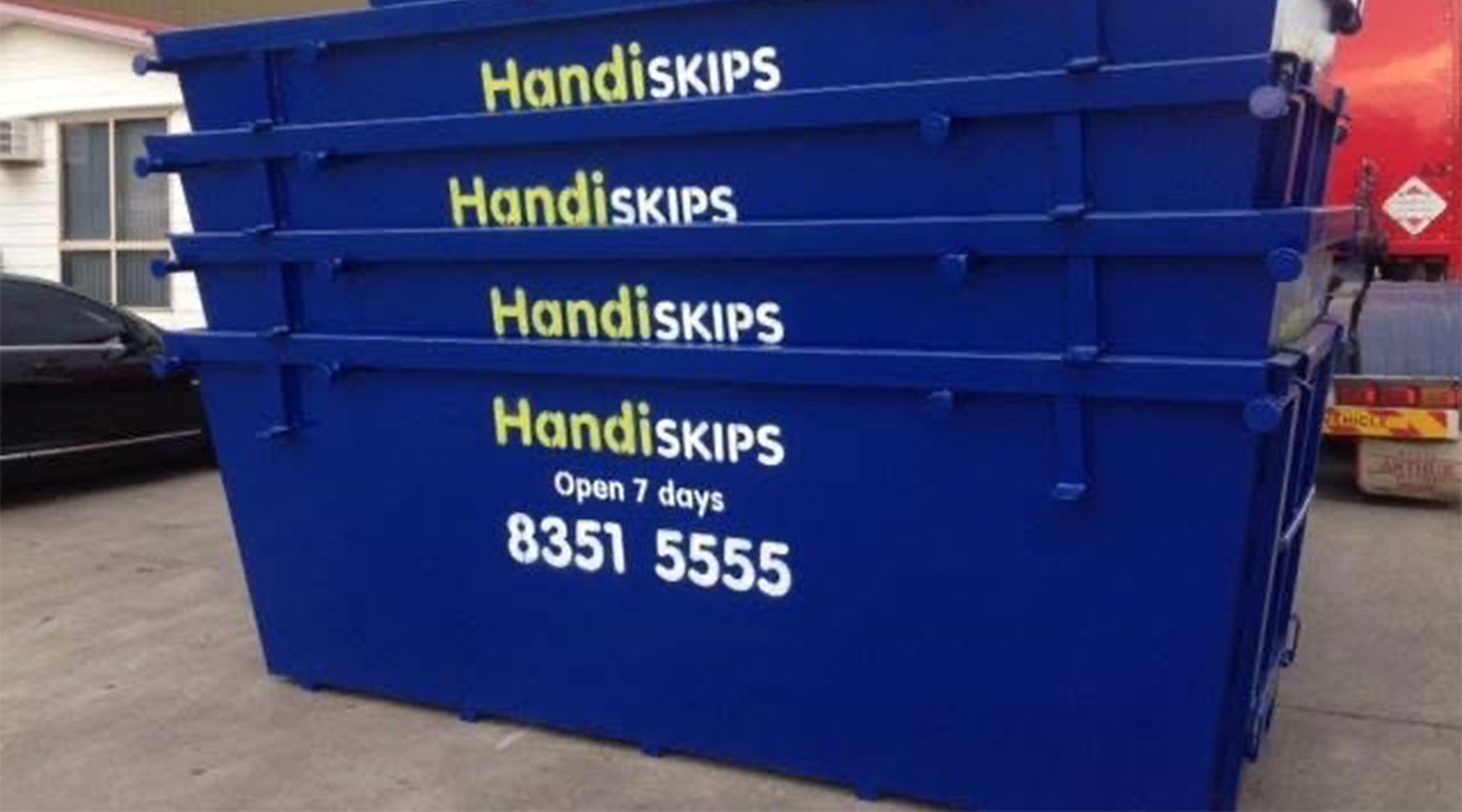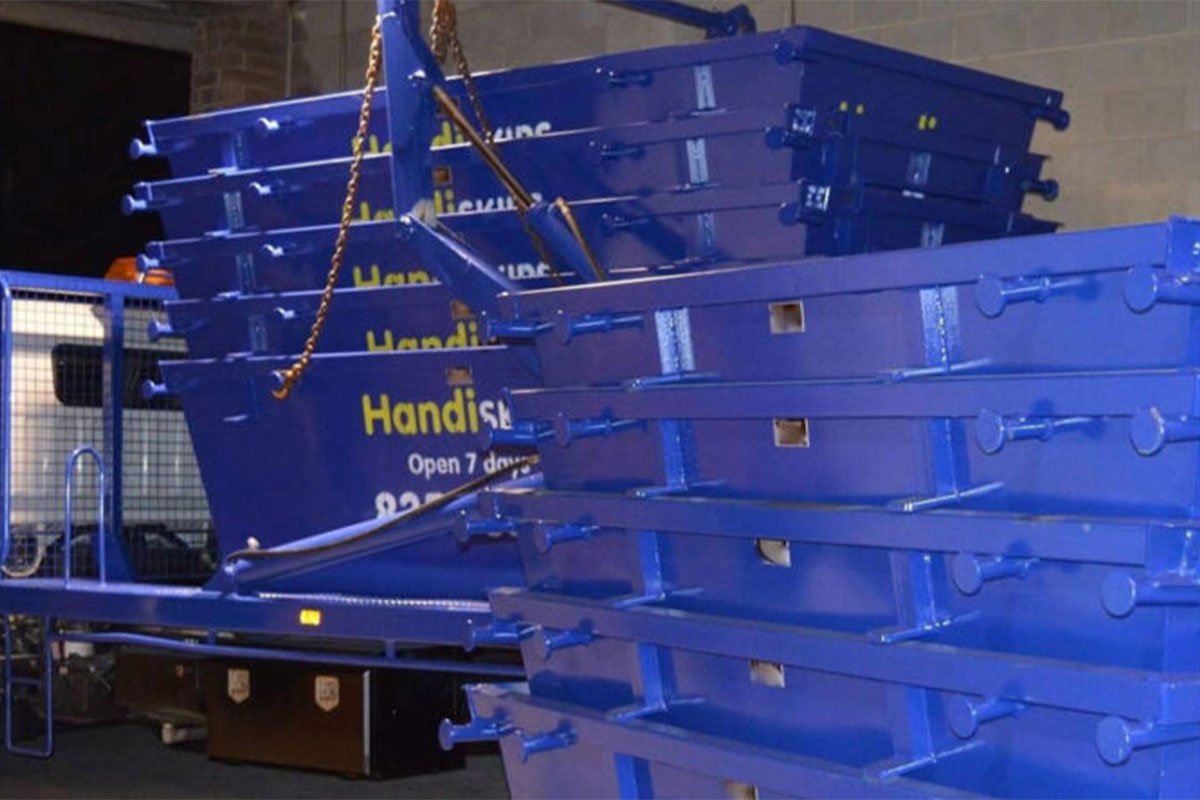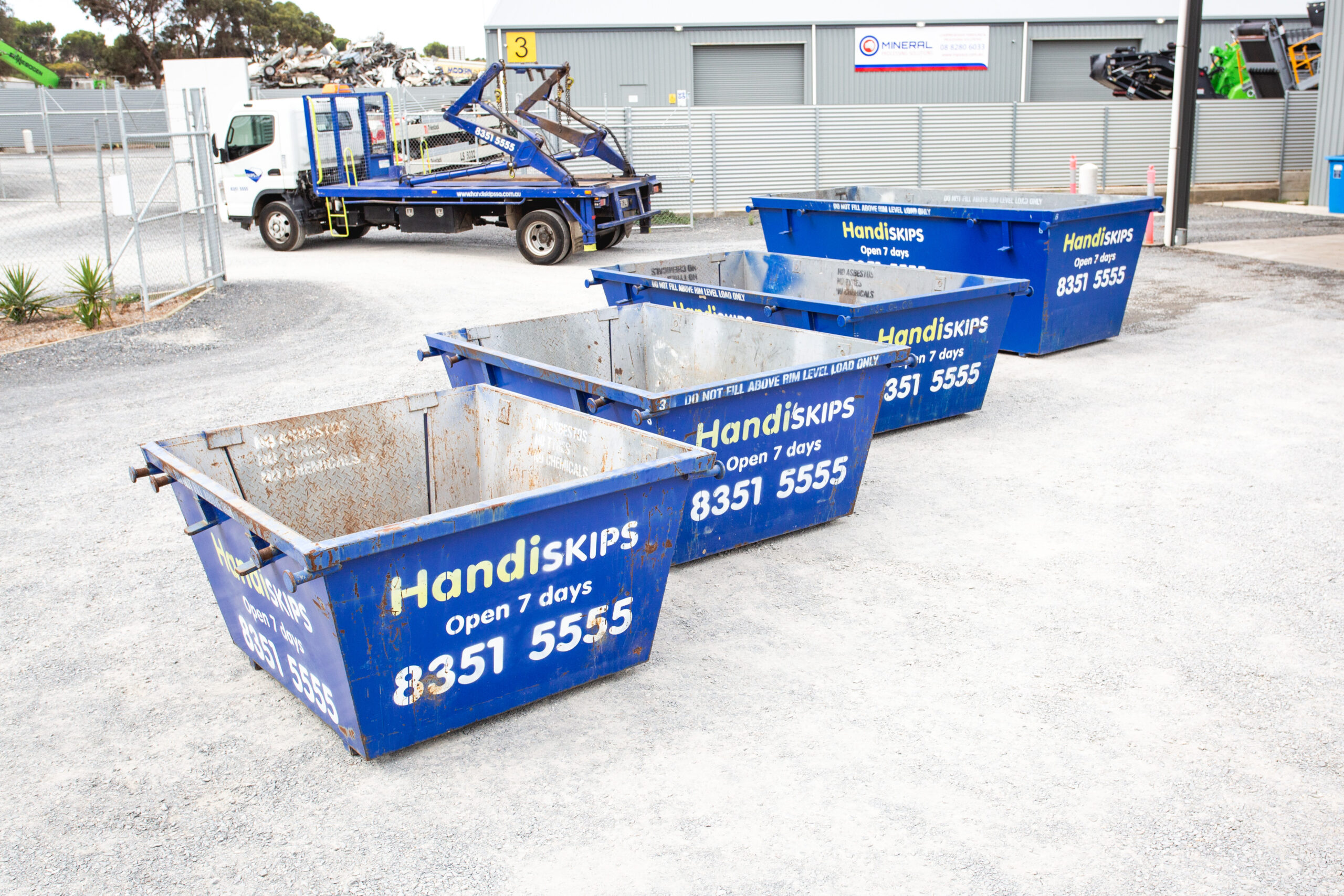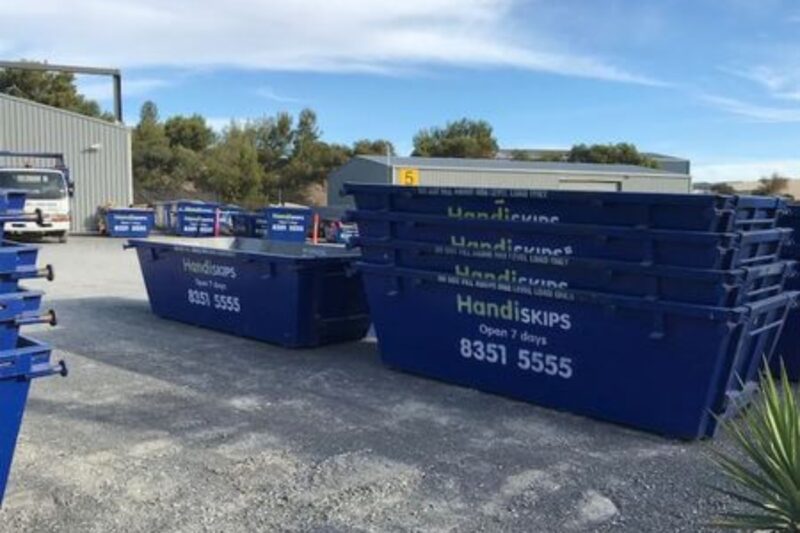
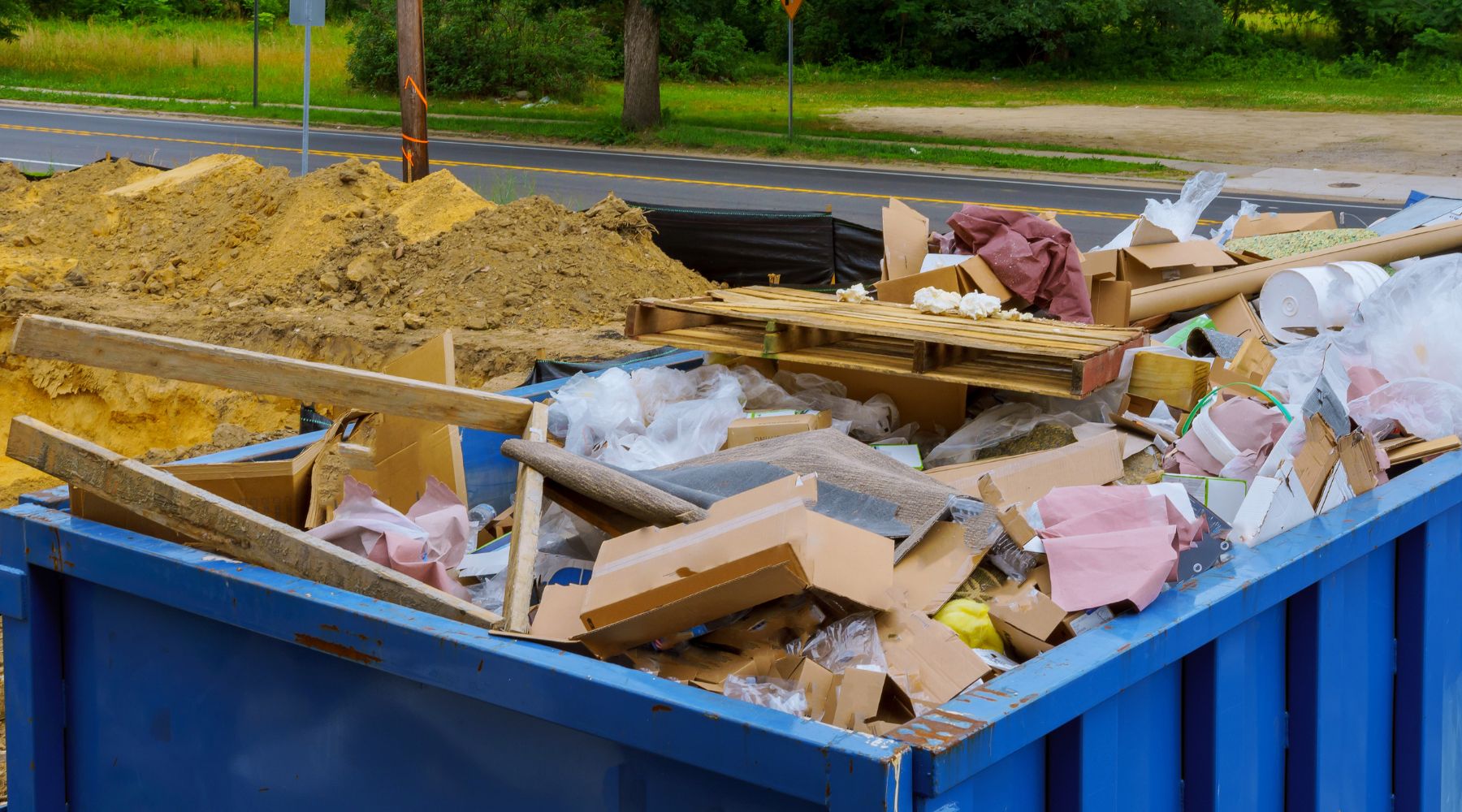
At Handi Skips SA, we understand the importance of efficient waste disposal, especially when it comes to using skip bin hire effectively. Maximising the space in your skip not only makes the cleanup process smoother but also saves you money by reducing the number of trips needed for waste removal. Whether you’re tackling a home renovation or managing a large commercial project, we’re here to offer comprehensive strategies to ensure you get the most out of your skip. Follow our guide and make your waste disposal experience as seamless as possible.
Key Takeaways
- Choose the right skip size to fit your project needs.
- Sort and organise your waste for better space management.
- Avoid overfilling to prevent extra fees or hazards.
- Be aware of weight limitations to ensure safe transportation.
- Know which types of waste are acceptable for disposal.
- Utilise space efficiently by stacking items intelligently.
- Plan ahead to minimise waste and maximise your skip’s capacity.
Understanding Skip Size and Capacity
When embarking on a waste disposal project, comprehending the various skip sizes and their respective capacities is essential. We must choose the correct size to meet our specific waste disposal requirements, allowing us to avoid unnecessary costs and ensure we have sufficient space for our project needs. Handi Skips SA provides an impressive selection of skip sizes, accommodating everything from a simple garden clean-up to extensive renovations.
Choosing the Right Size for Your Project
Picking the ideal skip size can significantly impact our waste management efficiency. It is crucial to evaluate the volume of waste we expect to generate, as skipping over the right size could lead to multiple trips or wasted resources. Commonly available skip sizes often range from mini skips to larger models, making it necessary to match our project’s scale with the appropriate skip capacity.
How Much Waste Can You Fit in Each Skip?
Each skip comes with specific limitations concerning the amount of waste it can hold. Understanding these limits allows us to plan for our project without the risk of overflow effectively. Below is a handy comparison of common skip sizes and their capacities:
| Skip Size | Capacity (Cubic Metres) | Approx. Weight Limit (kg) |
|---|---|---|
| Mini Skip | 2 | 200 |
| Small Skip | 4 | 400 |
| Medium Skip | 6 | 600 |
| Large Skip | 8 | 800 |
By reviewing the skip capacity and corresponding waste disposal requirement, we can optimise the space in our skip. Choosing wisely helps us adhere to regulations and operate within a budget-friendly framework.
Tips to Organise Your Waste Efficiently
An effective organisation is essential to maximising the space within our skip. A well-structured approach allows us to manage our waste more efficiently, particularly when sorting waste before it enters the skip. By categorising different types of materials, we can optimise the available space and simplify the disposal process.
Sorting and Categorising: The First Step
Sorting waste into specific categories is an essential first step to streamlining our efforts. We should separate recyclable items from general rubbish, ensuring recyclable materials are processed correctly. This approach enhances recycling effectiveness and helps us fill the skip efficiently, as we can optimise the remaining space for non-recyclable items.
Utilising Space Wisely with Smaller Items
After sorting, we can fill the skip with larger items at the bottom. This creates a stable base, allowing us to arrange smaller items around them. Filling the skip in this manner ensures that we utilise space wisely. Items can be layered and packed closely together, preventing any movement during transport. The easy-access drop-down doors of Handi Skips SA further assist in this process, enabling us to load waste without hassle.
Common Mistakes to Avoid When Filling a Skip
Certain common mistakes can lead to frustration and potential penalties when we manage waste during our projects. Being aware of these pitfalls, such as skip overfilling and ignoring weight limitations, can significantly improve our experience and effectiveness.
Overfilling and Its Consequences
It may seem efficient to cram as much as possible into a skip, but skip overfilling can create serious safety hazards. Not only does it violate regulations, but it can also result in environmental issues and fines. Our waste needs to remain below the skip’s rim. By adhering to this guideline, we ensure a hassle-free process during pickup and avoid any unwanted costs.
Ignoring Weight Limitations and Guidelines
When filling our skips, we must be mindful of weight limitations. Exceeding these limits can complicate collection and transport efforts. Handi Skips SA emphasises the importance of familiarising ourselves with these guidelines for responsible waste management. Taking time to understand and adhere to weight restrictions can prevent further issues, ensuring a smoother overall experience.
Different Waste Types We Accept
We pride ourselves on our flexibility regarding the types of waste accepted. Understanding which materials can be disposed of in our skip bins is essential for proper waste management. We accept:
- Green waste
- General waste
- Renovation waste
- Quarry waste
In addition, we maintain a strict list of prohibited items to ensure safe and responsible disposal. These include asbestos, food waste, dangerous chemicals, flammable liquids, and medical waste. By recognising the various skip bin sizes and types of waste accepted, we can provide tailored rubbish removal solutions that align with both environmental standards and client needs.
Additional Charges & Important Information
We strive for transparency in our skip bin hire information, ensuring you completely understand any potential additional charges that may apply. It is vital to note that there may be disposal fees for specific types of waste.
To ensure transparency and smooth service, please review the following extra disposal fees and surcharges that may apply:
Extra Disposal Fees (Per Item)
• TV / Monitor: $25
• Mattress: $50
• Car Tyres: $40
• Gas Bottles: $25
• All prices are for the removal of a single item
Additional Surcharges
• Sunday & Public Holiday Deliveries/Pickups: Extra charges may apply
• Palm Trunks: Not accepted without prior approval, priced on a quote basis
• Commercial Paper Waste: Requires prior permission for the disposal of large quantities of printed materials
FAQ
What is the best way to maximise the space in my skip?
To maximise the space in your skip, start by sorting and categorising your waste. Place bulkier items at the bottom to create a stable base, then fill gaps with smaller items. This method optimises your skip’s capacity and ensures a more efficient load.
How do I choose the right size skip for my project?
When selecting a skip, consider the volume and type of waste you must dispose of. Handi Skips SA offers a range of sizes, so assess your project scope to determine which skip will prevent excess spending while accommodating your waste needs.
What happens if I overfill my skip?
Overfilling a skip can lead to safety risks and potential fines. Waste must not exceed the rim of the skip, and exceeding weight limits may complicate collection. Always adhere to guidelines to ensure responsible waste management.
Are there specific types of waste I cannot put in a skip?
Certain items, including asbestos, food waste, and hazardous materials, are prohibited from being disposed of in a non-regulated manner. It’s crucial to understand these restrictions to effectively plan your waste disposal.
How can I ensure my skip is loaded safely and efficiently?
To load your skip safely and efficiently, start with heavier items first, then arrange smaller materials around them. Ensuring a well-organised load will help distribute weight evenly and prevent shifting during transport.