The Green Waste Skip: What Counts as Green Waste and Why It Matters
A green waste skip is the cheapest and most environmentally responsible way to clear garden waste in Adelaide. Here is exactly what qualifies as green waste, and why keeping it separate does real good.
Every Adelaide garden eventually produces more waste than the kerbside organics bin can swallow. A big pruning session, a hedge removal, a spring overhaul or a block tidy-up before selling can generate trailer loads of material in a single weekend. That is where a green waste skip earns its keep: a dedicated bin for organic garden material only, priced well below general waste because of how it is processed.
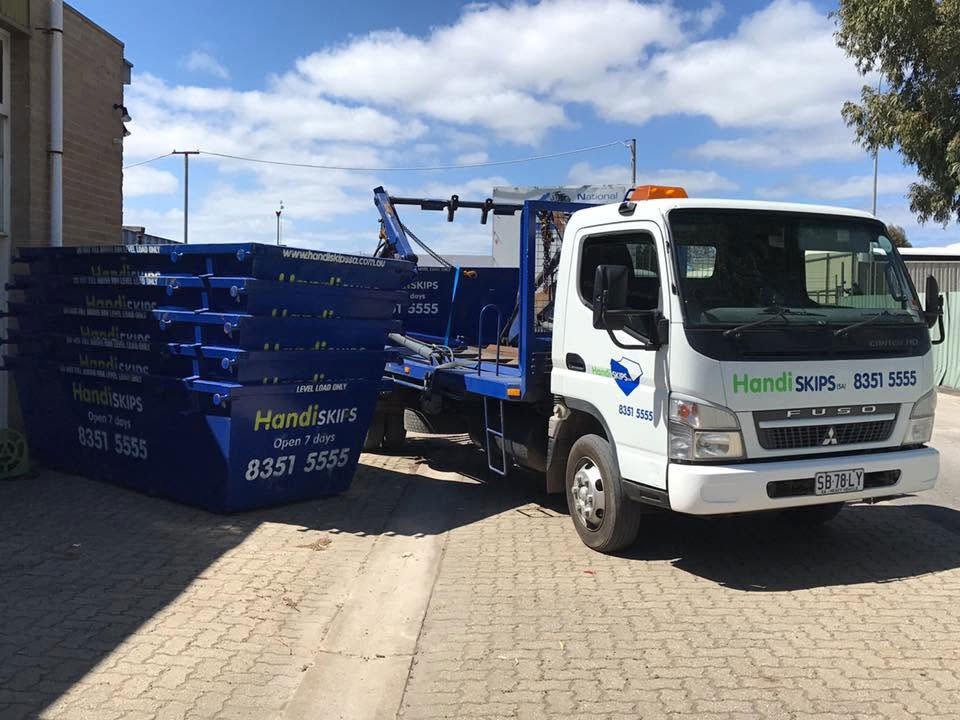
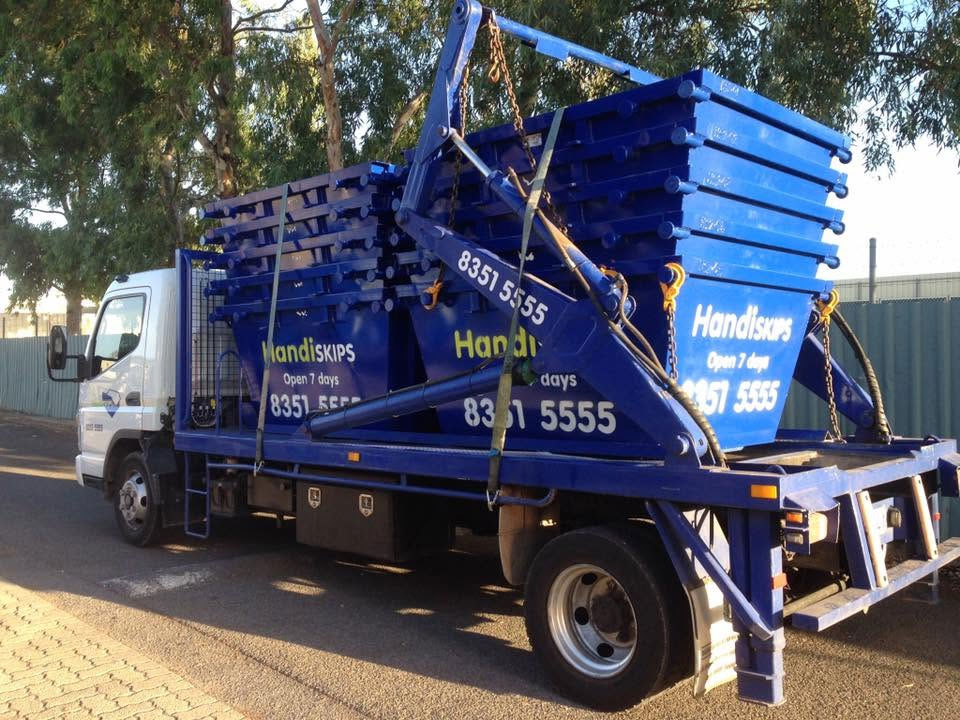
At HandiSkips SA, green waste bins start from just $180 for a 2m³ mini, making them the most affordable bins in the fleet. Delivery and collection are included in the fixed price, Afterpay is available, and bins are delivered six days a week across more than 200 Adelaide suburbs. The catch is simple: only genuine green waste can go in. This guide covers what qualifies, what does not, and the environmental payoff for getting it right.
What Counts as Green Waste?
The rule of thumb: if it grew in your garden and has not been treated, painted, milled or mixed with soil, it belongs in the green bin. The accepted list covers almost everything a garden session produces.
Cuttings and Clippings
- Grass cuttings and leaves
- Hedge and garden clippings
- Pruning waste and rose cuttings
- Vines and creepers
- Weeds and flowers
Plants, Shrubs and Trees
- Small trees and shrubs
- Plants with all soil removed
- Palm fronds (never the trunks)
- Branches under 300 mm thick
- Branches up to 1.8 m (6 ft) long
What Does Not Count, Even Though It Seems Like It Should
Every load is inspected before processing, and a minimum $200 contamination fee applies if prohibited items are found. These are the ones that surprise people most.
From the Garden, Still Banned
- Soil, turf and ripped-up lawn
- Palm, yucca and agave trunks
- Cactus of any type
- Large roots and thick trunks
- Pine bark and compost
Not Organic, Not Welcome
- Timber, treated pine and lattice
- Painted items of any kind
- Steel, wire and plastic
- Artificial grass
- Food waste and animal faeces
The Environmental Benefits of Using a Green Waste Skip
It Stays Out of Landfill
Organic material buried in landfill breaks down without oxygen and releases methane, a greenhouse gas far more potent than carbon dioxide. Clean green waste is diverted to processing instead, which is a big part of how HandiSkips SA recycles up to 95% of everything collected.
It Becomes Something Useful
Processed green waste is turned into mulch, compost and soil conditioners that return nutrients to gardens, parks and farms across South Australia. Your hedge trimmings quite literally feed next season’s growth somewhere else.
It Rewards You for Sorting
Because clean organic loads cost less to process, a clean green load is priced lower than every other waste type. Doing the right thing by the environment is also the cheapest option on the price list, which is how it should be.
Green Bin Sizes and Prices
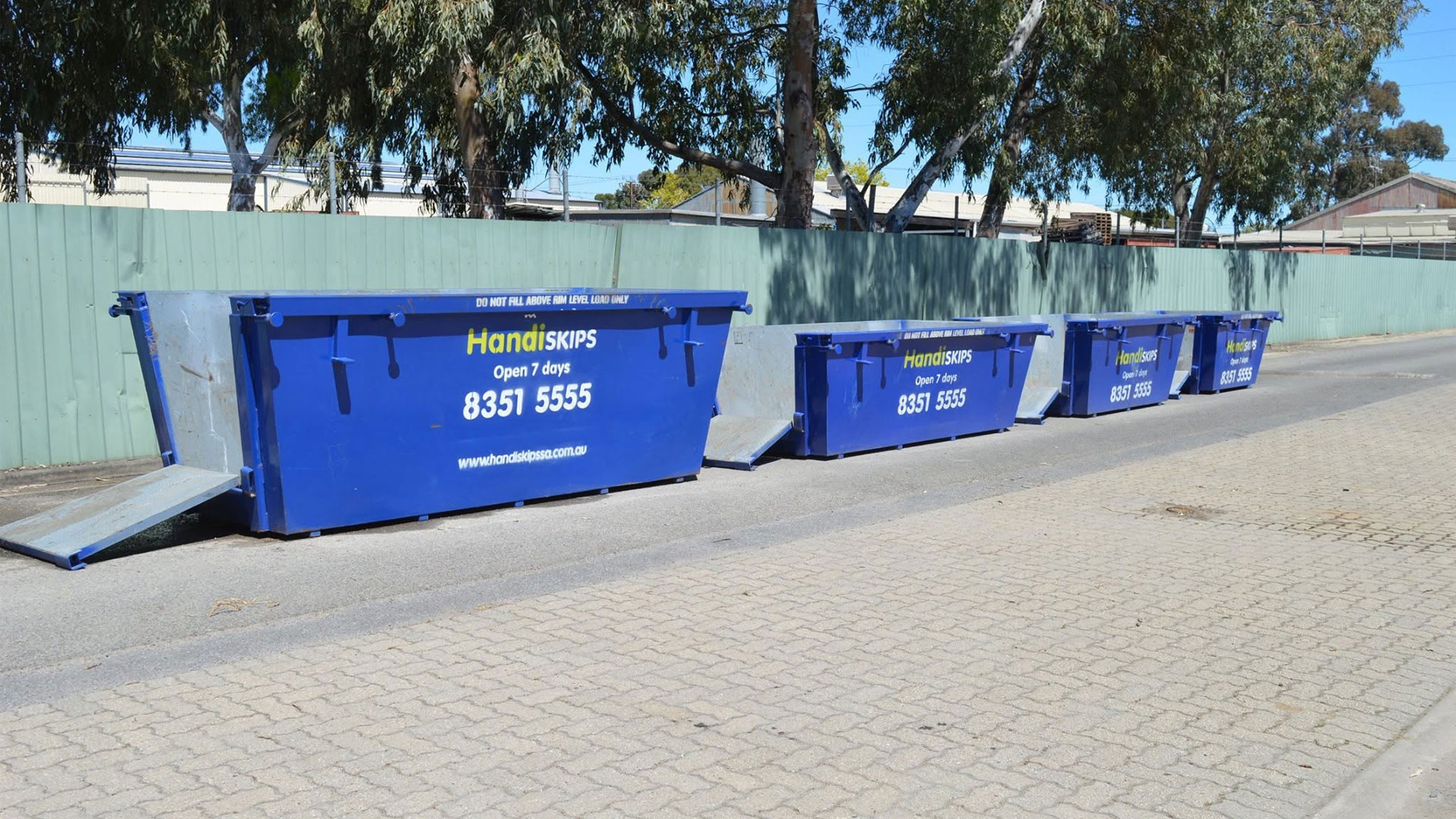
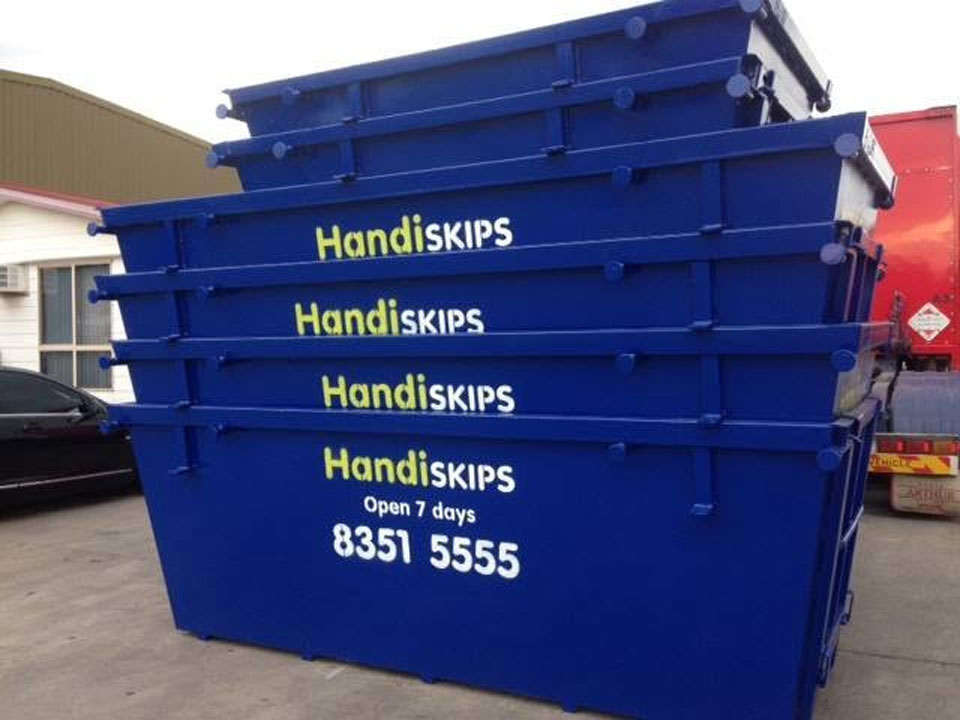
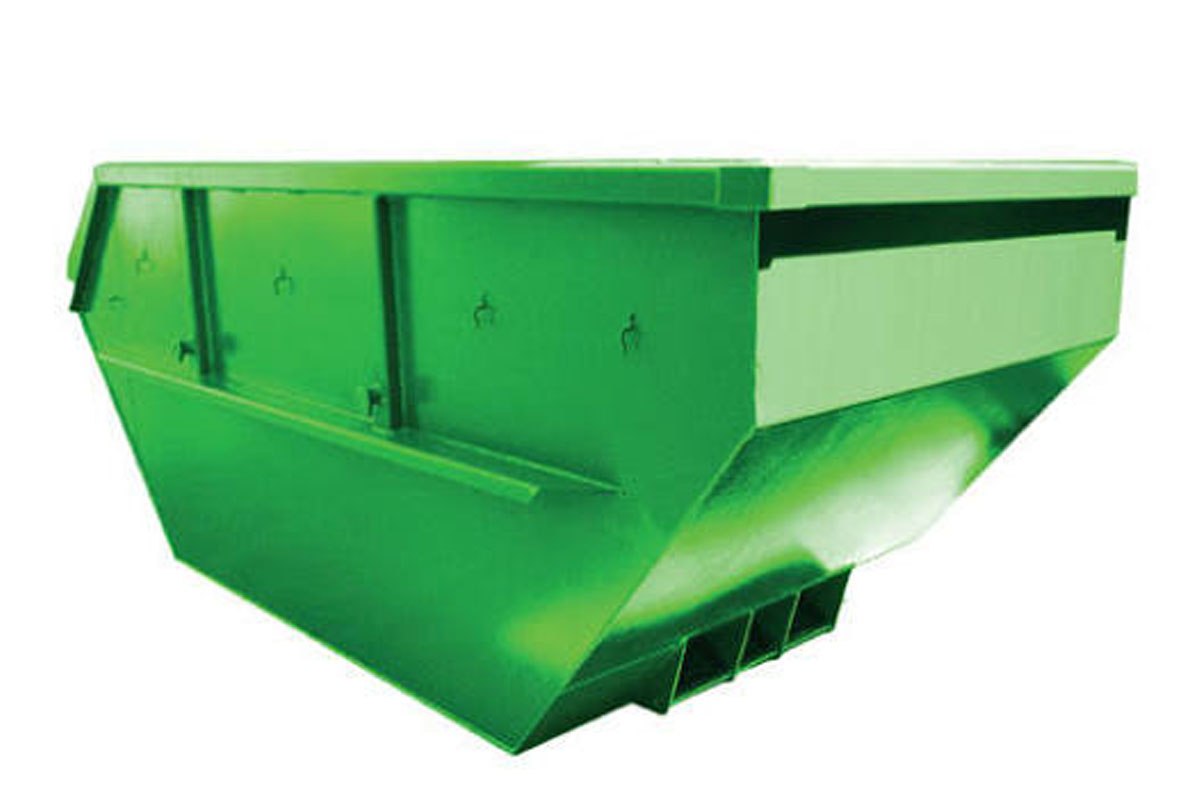
All six HandiSkips SA bin sizes are available at the green waste rate, and every one has a walk-in door so you can carry armfuls of clippings straight in. The 2m³ Mini ($180) suits a weekend tidy of around two trailer loads. The 3m³ Midi ($235) covers a serious pruning session, while the 4m³ Maxi ($300) and 5m³ Mighty ($330) handle full garden makeovers. For a badly overgrown block, the 6m³ Mega ($355) and 8m³ Monster ($450) take everything a jungle can throw at them.
One loading tip that pays for itself: lay branches flat along the base first, pack clippings around them, and top with loose leaves, keeping everything level with the rim. A well-packed bin fits nearly double what random tossing achieves. And if your clean-up includes soil, bricks or pavers alongside the plants, book a separate quarry waste bin for the heavy material rather than risking contamination of the green load. Quarry waste is available in the Mini and Midi sizes, and Lisa can arrange both bins in one call so the whole job is sorted at once.
Green Waste Questions, Answered
Can I put soil in a green waste bin?
No. Soil is classified as quarry waste, and even the dirt clinging to a root ball counts. Shake plants clean before loading them, and book a quarry bin for soil, turf and rubble. It feels pedantic, but a shovel of dirt can compromise an entire load of otherwise compostable material.
What size bin do I need for a hedge removal?
A single long hedge usually fills a 3m³ Midi once the branches are cut to under 1.8 metres and stacked flat. For several hedges or a hedge plus general garden overgrowth, step up to the 4m³ Maxi. Green material compresses well, so cutting and stacking beats stuffing every time.
What happens if the wrong items end up in the bin?
Every load is inspected, and contamination attracts a minimum $200 fee because the material may need re-sorting or redirecting to landfill. If you discover mid-job that you have mixed waste on your hands, call before collection day. Switching the booking to a general or mixed waste rate is always cheaper than a contamination fee.
Separating your garden waste saves money, avoids contamination fees, and keeps organic material working for the environment instead of rotting in landfill. It also makes the cleanup itself easier, because a bin dedicated to one waste type never forces mid-job decisions about what can go where. For sizes, pricing and booking, visit our green bins Adelaide page, or call Lisa for honest advice on the right green waste skip for your garden.
Book Your Green Waste Skip Today
Green bins from $180 with fixed pricing, walk-in door access, and 95% of waste recycled responsibly. No hidden fees, no surprises.
Call Lisa on (08) 8351 5555 or book online below.